Small Bathroom Ideas: Smart Solutions for Tiny Spaces
small bathroom ideas: space-saving design with storage, lighting and layout tips.
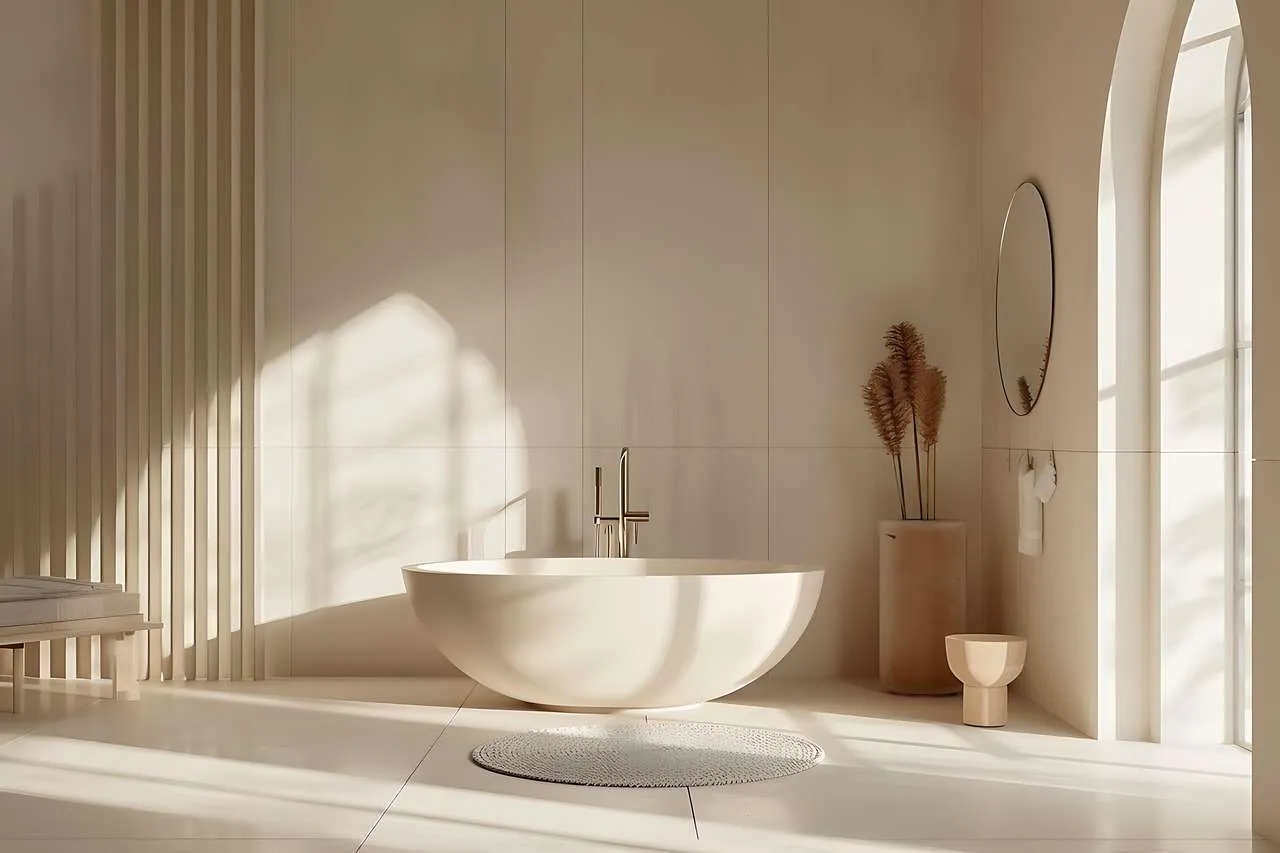
Small bathrooms pose a design puzzle: you want function, style, and a sense of airiness. With more than ten years designing residential spaces, I have helped countless clients turn tight rooms into calm, efficient zones. The core idea is to maximize every inch with smart storage, light, and proportion. In this guide, you'll find practical, EEAT-informed strategies to implement today.
Smart space planning: layout and scale
Begin with truth: in a small bathroom, layout determines feel. Favor one-wall or compact L-shaped plans that keep traffic smooth and ensure door and drawer clearances. A pocket door or a barn-style sliding door can reclaim floor space that a traditional door would consume. When possible, select fixtures with compact footprints but generous reach—think a 24-inch vanity with open storage instead of a bulky pedestal.
Proportion and flow
Scale mirrors, tiles, and fittings to the room. Large mirrors bounce light and visually extend walls. Use light colors or soft neutrals to create an airy backdrop. A single statement feature (such as a glass shower enclosure) can anchor the space without overwhelming it.
Storage solutions that save space
Storage is the secret weapon in small baths. Consider recessed niches in the shower, tall and slim cabinets, and floating vanities that keep the floor visible. Use interior organizers for drawers and medicine cabinets with mirrored fronts. A vertical storage tower beside the sink can hold daily essentials without crowding the countertop.
Floating vanity and open shelves
- Floating vanity creates negative space above the floor, making the room feel larger.
- Open shelves keep necessary items accessible while avoiding bulk of a closed cabinet.
Shower choices that open the room
A clear-glass shower enclosure reduces visual barriers and prevents the corner from feeling boxed in. If possible, a curbless shower enhances accessibility and makes the space feel continuous.
Light, color and materials
Light-reflective surfaces transform a cramped bathroom. Choose large, glossy tiles in neutral tones and pair them with a bright white ceiling. Consider neutral warm whites or cool grays that pair well with fixtures. Install layered lighting: recessed lights for general illumination, a vanity light for makeup tasks, and a pocket of ambient light behind a mirror to soften shadows.
Fixtures and finishes
Opt for slim-profile faucets, compact toilets, and tank-free or wall-hung elements. Materials should be moisture-resistant and durable: porcelain, glazed ceramic, tempered glass, and acrylics. Matte black, brushed nickel, or chrome finishes offer timeless versatility.
Budget and planning
Small bathroom upgrades can deliver significant value with careful budgeting. Prioritize the elements that make the most difference in daily use: storage, lighting, and durable surfaces. A structured plan with phased purchases can keep costs manageable while preserving quality. Always measure accurately and consult a professional if you anticipate structural changes or plumbing shifts.
Quick wins and long-term investments
For immediate impact, install a larger mirror, switch to a light color palette, and upgrade hardware. For longer-term value, invest in resilient materials, a space-saving shower, and a vanity with smart storage. The goal is to create a space that looks cohesive, feels calm, and functions without compromise.
Comparison and summary
| Idea | Benefit | Best For | Estimated Cost |
|---|---|---|---|
| Pocket or sliding door | Saves entry width and floor space | Very small baths | Moderate |
| Floating vanity | Creates space above the floor | Narrow layouts | Moderate |
| Clear-glass enclosure | Expands visual space | Tight rooms | Moderate-High |
| Large mirror + light palette | Brightens and visually enlarges | All bathrooms | Low to Moderate |
| Recessed storage | Hidden storage without bulk | All layouts | Moderate |
Implementing these choices requires a thoughtful plan. Before you shop or hire trades, document measurements, sketch layouts, and set a realistic budget with a contingency. Even small investments—like better lighting or a slimmer vanity—can transform the daily experience of using a compact bathroom.
In conclusion, small bathroom ideas are less about constraining style and more about expanding possibilities. By combining smart layout, storage, lighting, and durable finishes, you can achieve a bathroom that feels larger, is easier to use, and remains timeless in design.
Summary: This guide covered layout planning, storage solutions, lighting and color strategy, fixture choices, and budget-aware priorities to create a functional, stylish small bathroom that feels larger and works harder every day.